
 EN



Why China Is the Top Choice for Duffel Bag Custom Manufacturing
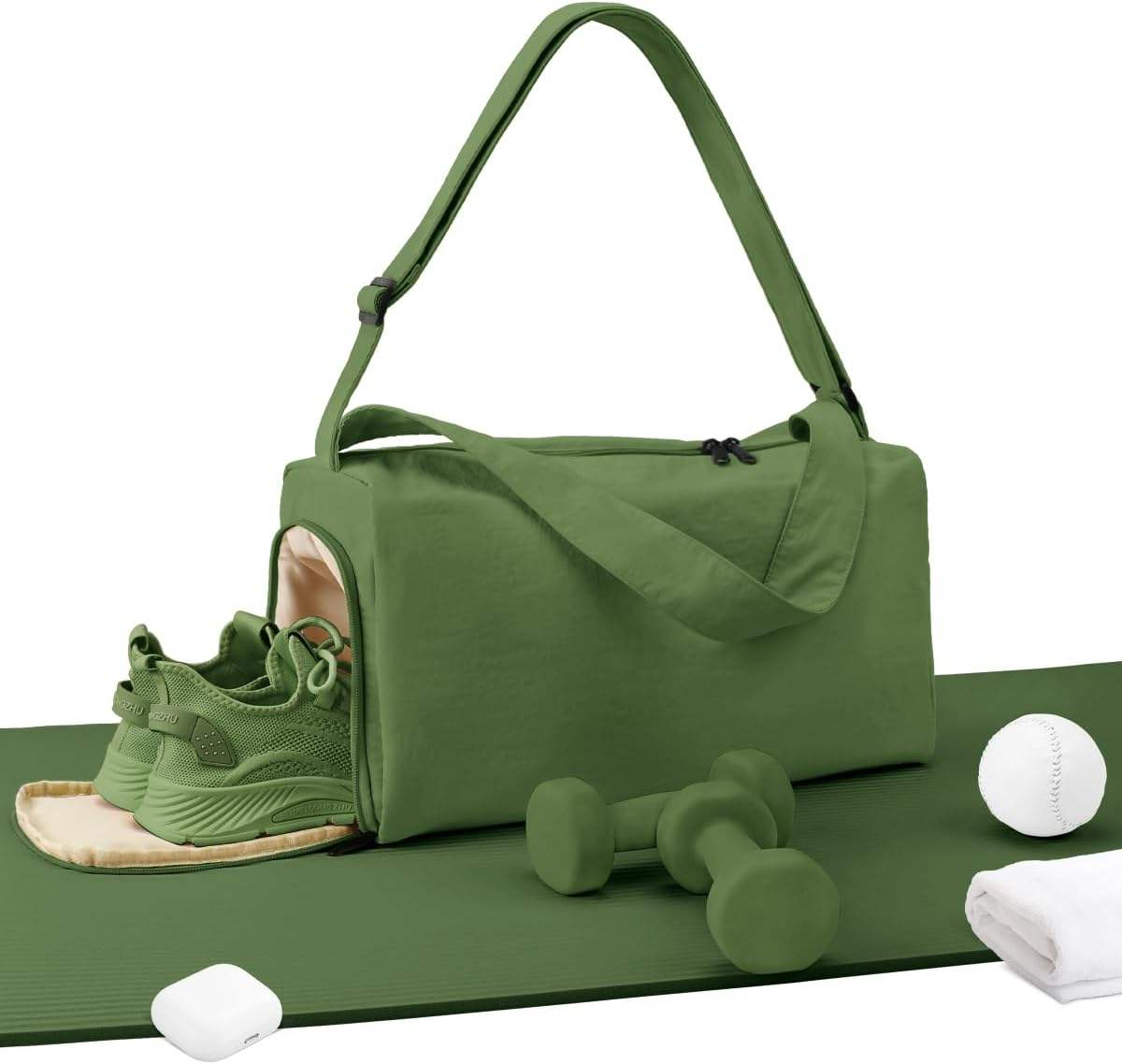
Sourcing a custom duffel bag from a China factory delivers unmatched efficiency—rooted in decades of specialization, tightly integrated supply chains, and scalable production expertise.
Integrated Supply Chain and Specialized Bag Factories
China’s bag manufacturing ecosystem is concentrated in industrial hubs like Quanzhou, where hundreds of dedicated bag factories operate within a tight radius. These facilities draw from a dense local network of certified suppliers—providing waterproof zippers, ballistic nylon, webbing, linings, and more—eliminating long-haul freight for raw materials. Over 50 pre-vetted material vendors are accessible within an hour’s drive, cutting sourcing time by up to 60% compared to fragmented global supply chains. This integration enables shorter lead times, predictable pricing, and lean inventory practices: components arrive daily, freeing working capital and lowering per-unit costs.
Many factories hold internationally recognized certifications—including BSCI, SEDEX, and ISO 9001—ensuring ethical labor practices and robust quality management. Proximity to major export ports like Xiamen and Shenzhen further reduces final freight charges. Combined with a deep bench of skilled sewing technicians experienced specifically in bag construction, this vertically integrated system minimizes total landed cost without compromising durability or compliance.
Proven Expertise in Duffel Bag Custom: From Prototyping to Bulk
Chinese factories have refined duffel bag development over decades of OEM and ODM collaboration. In-house sample rooms produce functional prototypes within 7 days of receiving a finalized tech pack. Production scales seamlessly—from MOQs as low as 50 pieces to full container loads—while maintaining consistent stitch density and structural integrity.
AQL inspections at pre-production, in-line, and final stages catch issues early. Clients specify hardware, linings, and branding—all managed under one roof. Factories advise on material substitutions to optimize durability or cost based on end-use and maintain stock molds for common zipper pulls and logo tooling, accelerating custom setups. A single English-speaking project manager oversees prototyping, sourcing, and QC, reducing miscommunication and enabling real-time defect reporting. This end-to-end control compresses development cycles from months to weeks—giving global brands confidence to launch new lines rapidly and reliably.
Understanding True Factory-Direct Pricing for Custom Duffel Bags
MOQ Realities: Balancing Cost Efficiency and Flexibility (50–500 Units)
Minimum order quantities (MOQs) for custom duffel bags in China typically range from 50 to 500 units—offering startups flexibility to test designs while allowing established brands to capture volume-based savings. MOQs reflect real constraints: fabric procurement minimums, cutting die setup, and line allocation. At 50 units, FOB costs average $12–$18/unit; scaling to 500 units lowers that to $8–$12/unit (2024 estimates). Tiered pricing—e.g., a 10% discount at 100 units—is standard negotiation practice. A 2023 industry survey found 70% of emerging brands begin with 100–200 units, balancing risk, margin, and market validation.
FOB Breakdown: What ‘Factory Price’ Actually Includes—and What It Doesn’t
FOB (Free On Board) pricing covers raw materials, labor, packaging, and loading onto the vessel at the Chinese port—nothing more. It explicitly excludes international freight, marine insurance, import duties, destination handling, third-party inspections (~$300–$500/day), compliance testing, and warehousing. For a custom duffel bag quoted at $8–$15/unit FOB, landed costs can rise by 25–35% once these add-ons are factored in (2024 estimates). While CIF terms shift freight responsibility to the factory, they usually inflate the unit price. Requesting a granular cost breakdown—by material, labor, overhead, and packaging—is essential for accurate landed-cost forecasting.
OEM vs. ODM: Choosing the Right Partnership Model for Your Duffel Bag Brand
Your most strategic decision when sourcing duffel bags from China is selecting between OEM and ODM—each serving distinct brand goals.
OEM (Original Equipment Manufacturer) requires you to supply complete, production-ready specifications: dimensions, materials, hardware, stitching details, and branding. The factory executes precisely to your design, delivering full IP control and true differentiation. However, it typically demands higher MOQs (300–500 units), longer timelines, and greater upfront investment—making it ideal for mature brands with protected designs and premium positioning.
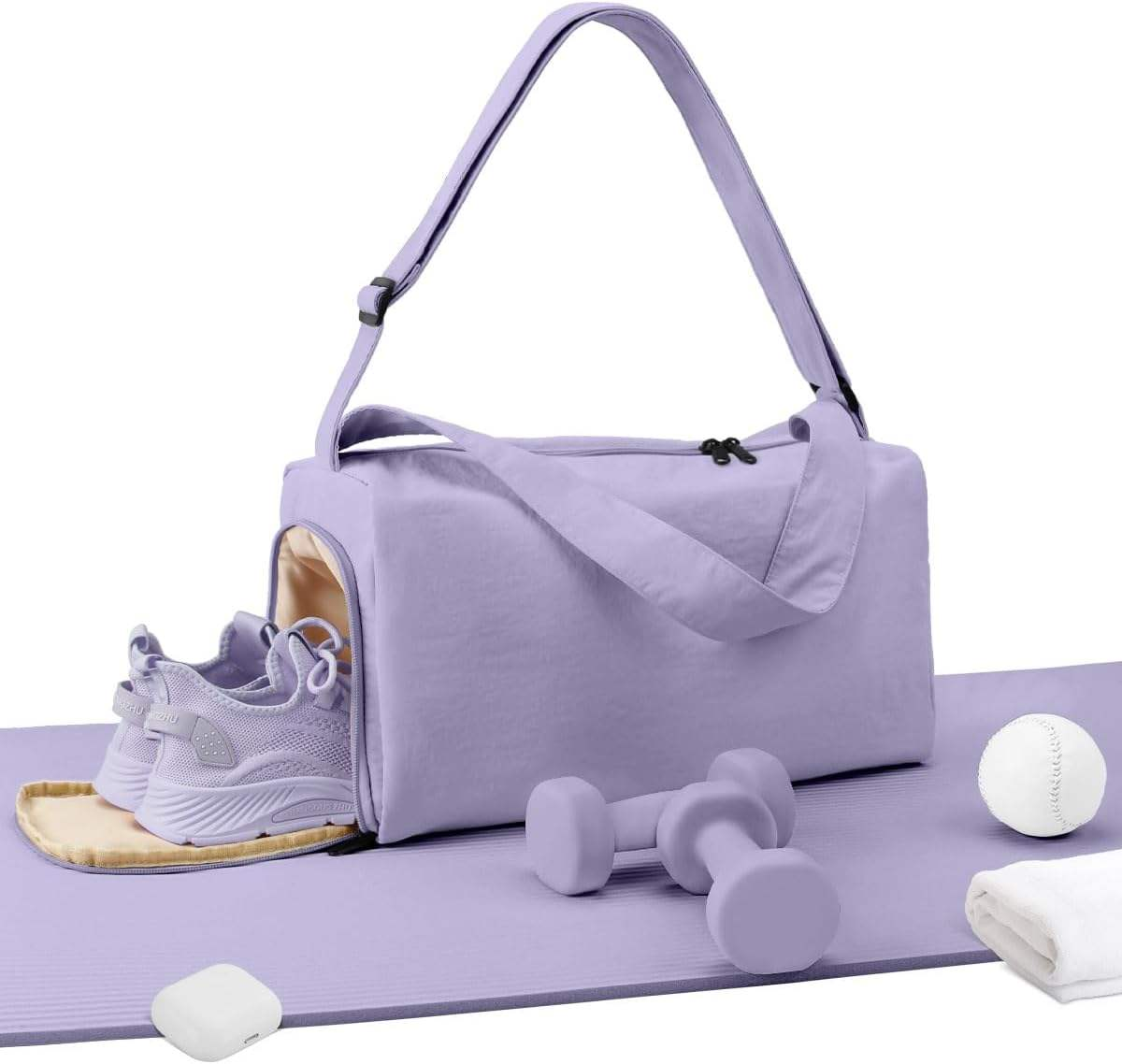
ODM (Original Design Manufacturer) leverages the factory’s existing duffel bag patterns. You customize colors, logos, pockets, linings, or fabric grades—but retain the proven base structure. This slashes development time to 15–30 days and supports MOQs as low as 50 units. It’s optimal for speed-to-market, budget-conscious launches, or testing new styles before committing to full OEM development.
In practice, leading brands often blend both: using ODM for seasonal or entry-level styles while reserving OEM for hero products that define their identity. The right model isn’t about superiority—it’s about aligning with your design ambition, cash flow, and go-to-market timeline.
Key Production Considerations: Materials, Compliance, and Quality Control
Material Options That Impact Cost, Durability, and Sustainability
Shell fabric choice directly shapes performance, price, and perception. 600D polyester offers lightweight water resistance at entry-level cost; 1000D ballistic nylon delivers exceptional tear strength for rugged use; untreated canvas provides heritage appeal but requires coating for moisture resistance. For sustainability-focused brands, recycled PET (rPET) delivers comparable performance while reducing reliance on virgin plastics and supporting circular economy commitments. Partnering with a factory that transparently maps material cost drivers—weight, finish, certification status—ensures informed trade-offs between durability, aesthetics, and budget.
AQL Sampling, Third-Party Inspections, and Factory Certifications
Quality assurance begins with clear AQL standards—typically set at 2.5 for consumer duffel bags, meaning no more than 2.5% of units may exhibit major defects. Pre-shipment third-party inspections verify critical elements: seam strength, zipper function, colorfastness, and print accuracy. These independent checks significantly reduce the risk of non-conforming shipments.
Equally important is verifying the factory’s foundational credentials: ISO 9001 for quality systems, BSCI or SEDEX for social compliance, and the Global Recycled Standard (GRS) for verified recycled content. These certifications signal operational maturity—not just marketing claims—and serve as tangible safeguards for brand reputation and supply chain continuity.
FAQs
Why is China considered the top choice for custom duffel bag manufacturing?
China offers unparalleled efficiency due to its integrated supply chains, specialized manufacturing hubs, and scalable production expertise. Its factories also provide certifications ensuring quality and compliance.
What is the difference between FOB and CIF pricing?
FOB pricing covers materials, labor, and packaging, but excludes shipping and import-related expenses. CIF shifts freight responsibility to the factory but usually results in higher costs.
What are the typical MOQs for custom duffel bags in China?
The minimum order quantities range from 50 to 500 units, catering to startups and established brands looking to balance flexibility and cost efficiency.
Should I opt for OEM or ODM manufacturing for duffel bags?
OEM is best for full control over design and IP, while ODM provides a quicker and more cost-effective way to customize existing patterns. Many brands blend both strategies based on goals and timelines.
How do Chinese factories ensure quality in custom duffel bags?
Factories perform AQL inspections, support third-party audits, and often hold certifications like ISO 9001, BSCI, or SEDEX to ensure compliance, durability, and safety.
Table of Contents
- Why China Is the Top Choice for Duffel Bag Custom Manufacturing
- Understanding True Factory-Direct Pricing for Custom Duffel Bags
- OEM vs. ODM: Choosing the Right Partnership Model for Your Duffel Bag Brand
- Key Production Considerations: Materials, Compliance, and Quality Control
-
FAQs
- Why is China considered the top choice for custom duffel bag manufacturing?
- What is the difference between FOB and CIF pricing?
- What are the typical MOQs for custom duffel bags in China?
- Should I opt for OEM or ODM manufacturing for duffel bags?
- How do Chinese factories ensure quality in custom duffel bags?