
 EN



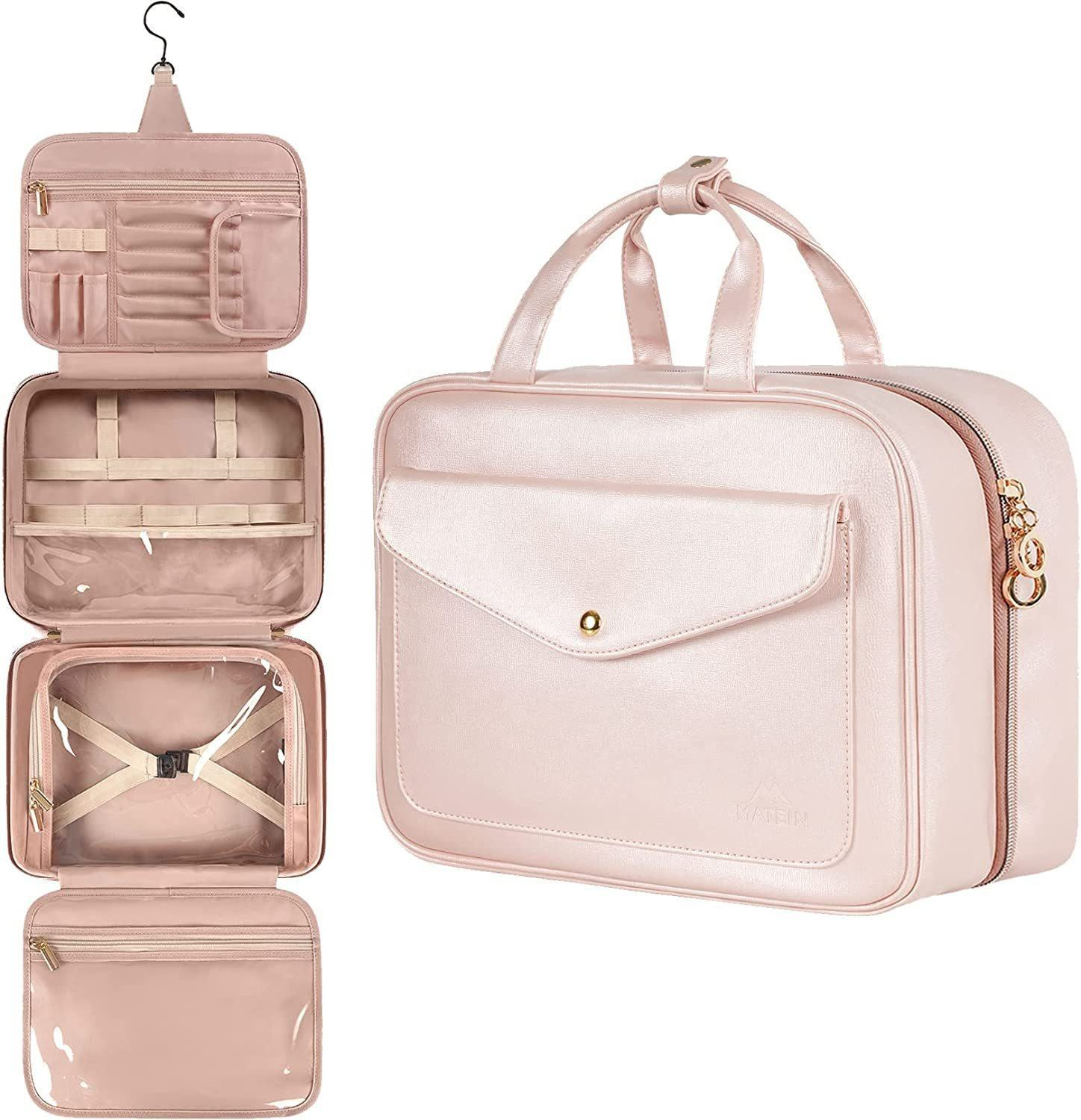
The Strategic Value of a Personalized Toiletry Bag OEM for Hotel Branding
How OEM customization transforms toiletry bags from commodities into branded touchpoints
A personalized toiletry bag OEM (Original Equipment Manufacturer) partnership turns a standard amenity into a high-visibility branded touchpoint. Instead of a generic pouch guests discard after one use, a customized bag carries the hotel’s logo, color palette, and material choices into daily travel routines. Over 60% of enterprises now require brand-element printing when purchasing promotional items—a shift toward durable, identity-driven goods that hotels can leverage across guest bathrooms, gym kits, spa packages, and post-stay travel. Custom interior organization, tactile zipper pulls, and subtle debossing move the product beyond commodity status. The result is a memorable amenity that supports word-of-mouth, social sharing, and repeat bookings. By embedding brand codes at the OEM stage, hotels create consistent, portable reminders of the guest experience long after checkout.
Cost-efficiency, scalability, and quality control advantages of working with a specialized OEM
Working with a specialized OEM consolidates sourcing, production, and finishing under one partner—reducing hidden logistics costs and lead-time variability. Bulk fabric purchasing and standardized production runs lower per-unit cost, while mold reuse for branded hardware cuts repeat-order expenses. Scalability becomes predictable: a hotel group can order 500 units for a boutique property and 20,000 for a resort portfolio without retooling delays. Quality control is embedded through batch inspection, fabric consistency checks, and color-fastness testing—now standard in procurement audits. A single OEM point of contact simplifies compliance, from material certifications to packaging tolerances. This operational control reduces the risk of mismatched branding across properties and frees hospitality teams to focus on guest-facing priorities. The outcome is a lower total cost of ownership and a reliable supply of on-brand toiletry bags.
Designing for Impact: Functional, Aesthetic, and Brand-Aligned Customization
Beyond logos: material selection, interior organization, and tactile branding that elevate guest perception
A personalized toiletry bag OEM partnership moves design beyond logo placement. Material selection shapes the first touch—whether water-resistant recycled canvas, soft pebbled vegan leather, or lightweight ripstop nylon—and signals durability, eco-intent, or quiet luxury before a guest reads a single label. Interior organization matters as much: elastic loops, mesh pockets, and separate wet zones prevent leaks and reduce daily frustration. Tactile branding then deepens memory. Soft-touch matte coatings, debossed monograms, or woven labels offer a sensory cue that visual printing alone cannot deliver. OEM partners can produce small-batch prototypes for pilot programs, letting hotel teams test handle strength, zipper smoothness, and compartment layouts before full rollout. This iterative process reduces costly errors and ensures the final bag feels as intentional as the room amenities around it. By treating each material and pocket as a branding decision, hotels turn a practical amenity into a quiet statement of care—one that often becomes a repeat-booking trigger.
Color psychology, typography, and thematic printing aligned with hotel identity and service tone
Color choices in a personalized toiletry bag OEM brief should reflect the hotel’s service personality. Muted sage, sand, and stone tones support wellness-focused properties, while deep navy and charcoal reinforce executive or business-class positioning. Typography plays a parallel role: a refined serif suggests heritage and tradition, whereas a clean geometric sans serif signals modern efficiency. Thematic printing adds narrative depth without visual noise—tonal logo repeats, thin-line illustrations of local landmarks, or abstract patterns inspired by the property’s architecture can all translate through screen printing, debossing, or woven labels. These choices must stay consistent across guest touchpoints, from vanity kits to laundry bags. When color, type, and motif work together, the amenity moves from generic hotel supply to a subtle extension of the brand story that guests may photograph and share. This alignment also simplifies future seasonal refreshes.
Sustainability as a Differentiator: Eco-Materials and Ethical OEM Practices
Guest demand for sustainable amenities and how eco-conscious OEMs support ESG goals
Modern guests increasingly choose hotels that reflect their environmental values. A 2023 Booking.com survey found that 76% of travelers want to travel more sustainably, while 43% feel guilty about less sustainable choices. Disposable plastic toiletry bottles and vinyl pouches now signal waste rather than luxury. A personalized toiletry bag OEM can replace those single-use kits with durable, refillable bags made from recycled or certified materials. Eco-conscious OEM partners help hotels strengthen ESG (environmental, social, and governance) reporting by documenting material origins, reducing indirect value chain emissions, and aligning products with green certification standards. This shift turns a small in-room item into visible proof of sustainability. Guests notice the difference, and front-desk or housekeeping stories can reinforce the hotel's commitment. Over time, sustainable amenities reduce waste disposal costs and support brand loyalty—especially among younger travelers who prioritize responsible hospitality.
Certified recycled fabrics, biodegradable components, and transparent supply chain reporting
Hotels should verify sustainable claims through recognized certifications. rPET fabric made from recycled plastic bottles offers a lower carbon footprint than virgin polyester. GRS (Global Recycled Standard) and OEKO-TEX certifications provide independent validation of recycled content and chemical safety. Biodegradable components—such as plant-based zippers, threads, and inner linings—help reduce landfill impact. Transparent supply chain reporting matters just as much as material choice. A reliable OEM should offer batch-level traceability, supplier audits, and standardized environmental data. Hotels can then communicate these facts accurately to guests and corporate ESG teams. Without third-party verification, generic “eco-friendly” labels risk greenwashing claims. Strong documentation supports procurement decisions and builds long-term trust.
Measuring ROI: Guest Loyalty, Social Sharing, and Long-Term Brand Equity
A personalized toiletry bag OEM partnership creates measurable returns beyond the initial procurement cost. The most direct signal is repeat booking: hotels that replace generic amenity kits with branded, well-designed bags often record higher guest return intent. Loyalty metrics should track guest frequency, average spend per stay, and redemption of return-visit offers after the amenity upgrade—linking the tangible product to emotional brand attachment.
Social sharing is a second ROI channel. A visually appealing and practical toiletry bag becomes a travel accessory guests photograph and post. Hotels can track branded hashtags, user-generated content, and off-site mentions to quantify earned media value. One guest post showing the bag in a hotel bathroom can generate more authentic reach than a paid display ad. Because the bag leaves the property, it continues to carry the brand into future trips, airport lounges, and gym lockers.
Long-term brand equity accrues when the bag reinforces service tone and quality promise. Brand health surveys, sentiment analysis, and customer lifetime value (CLV) shifts help connect the amenity to commercial results. A rise in CLV usually indicates that the small branded touchpoint deepens guest relationships and willingness to recommend. These compounding effects lower cost per acquisition over time and support premium room positioning.
FAQs
How does a personalized toiletry bag create value for hotels?
A personalized toiletry bag transforms a basic amenity into a branded touchpoint that carries the hotel’s identity. It promotes guest loyalty, enhances marketing through social sharing, and reinforces the hotel’s commitment to quality and sustainability.
What are the main benefits of partnering with a specialized OEM for toiletry bags?
Specialized OEMs offer cost-efficient production, scalability for various hotel needs, and enhanced quality control. They ensure consistent branding across properties while reducing the total cost of ownership.
Can customized toiletry bags impact repeat bookings?
Yes, well-designed and branded toiletry bags create a memorable guest experience, fostering emotional attachment. This can lead to higher repeat bookings and improved guest loyalty.
What materials can be used for sustainable toiletry bags?
Eco-friendly materials include rPET fabrics made from recycled plastic bottles, biodegradable components such as plant-based zippers and threads, and certified materials like those approved by GRS or OEKO-TEX.
How can hotels measure the ROI of personalized toiletry bags?
Hotels can measure ROI through loyalty metrics like increased repeat bookings, guest spend, and return-visit offer redemptions. Social sharing and long-term brand equity analysis also indicate success.
Table of Contents
- The Strategic Value of a Personalized Toiletry Bag OEM for Hotel Branding
- Designing for Impact: Functional, Aesthetic, and Brand-Aligned Customization
- Sustainability as a Differentiator: Eco-Materials and Ethical OEM Practices
- Measuring ROI: Guest Loyalty, Social Sharing, and Long-Term Brand Equity
-
FAQs
- How does a personalized toiletry bag create value for hotels?
- What are the main benefits of partnering with a specialized OEM for toiletry bags?
- Can customized toiletry bags impact repeat bookings?
- What materials can be used for sustainable toiletry bags?
- How can hotels measure the ROI of personalized toiletry bags?