
 EN



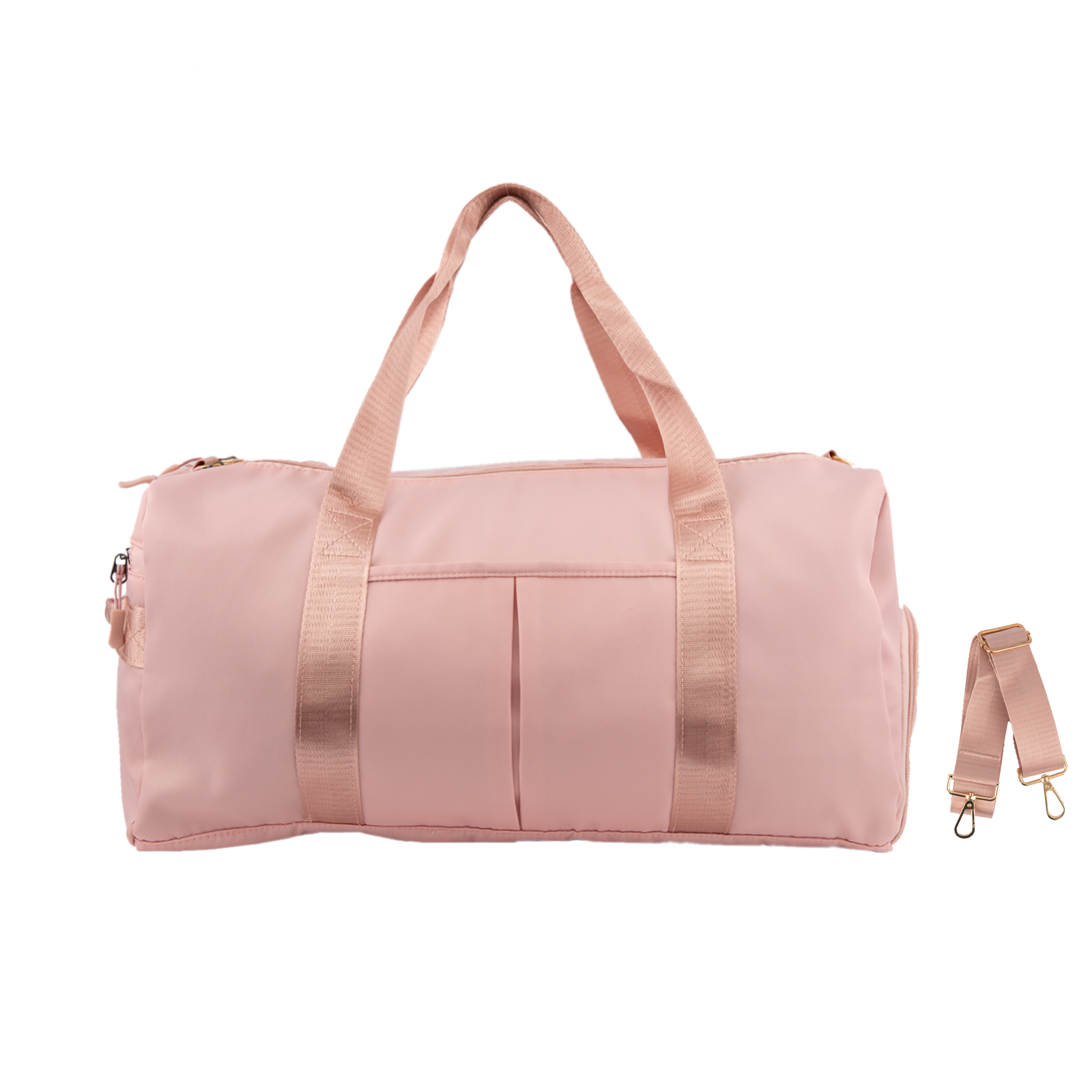
Why BSCI, ISO, and OEKO-TEX Certification Matters for Weekender Bag Factories
Certification separates reliable weekender bag factories from risky trade intermediaries. It signals how a factory handles labor, quality, and chemical safety before an order is placed.
BSCI weekender bag factory compliance: Ensuring ethical labor, audit transparency, and supply chain accountability
A BSCI-certified weekender bag factory aligns operations with the ILO Conventions and the UN Human Rights Charter. Audits—conducted by independent third-party teams over one to two days—assess working hours, wages, safety equipment, fire exits, machine guards, chemical storage, payroll records, time sheets, health plans, and worker interviews conducted without management present. The final audit meeting outlines findings and corrective actions, and factories receive grades from A (strong compliance) to E. This process delivers audit transparency and enables buyers to verify labor conditions upfront. With more than 2,400 companies globally using BSCI standards (Amfori 2025), it has become a recognized benchmark for supply chain accountability—especially among EU and North American retailers. Choosing a certified partner reduces social compliance risk, safeguards brand reputation, and strengthens premium positioning, where ethical sourcing is a core value—not an afterthought.
ISO 9001 (quality) and OEKO-TEX Standard 100 (chemical safety): Non-negotiable benchmarks for premium travel bags
For premium weekender bags, ISO 9001 and OEKO-TEX Standard 100 address two distinct but equally critical risks: production consistency and material safety. ISO 9001 certifies that a factory maintains a documented, auditable quality management system—including internal reviews, process controls, and corrective action protocols—to minimize stitching defects, zipper failures, and hardware breakage. OEKO-TEX Standard 100, meanwhile, verifies chemical safety through independent lab testing of fabrics, linings, webbing, and zipper tapes for restricted substances like heavy metals, formaldehyde, and harmful dyes—essential because weekender bags come into direct, prolonged contact with clothing and skin.
Buyers should request original OEKO-TEX certificates showing the issuing institution, validity period, and exact scope—not just logo usage—to prevent misrepresentation.
| Certification | Primary focus | Audit or testing process | Relevance for weekender bags |
|---|---|---|---|
| ISO 9001 | Quality management system | Document review, process audits, corrective actions | Consistent seams, smooth zippers, durable hardware |
| OEKO-TEX Standard 100 | Chemical safety of textiles and trims | Lab testing for restricted substances | Safe linings, webbing, zipper tapes, and outer fabrics |
Together, these certifications reduce liability, support premium pricing, and are non-negotiable for brands planning repeat orders and long-term retail distribution.
How to Locate Verified BSCI Weekender Bag Factory Suppliers
Using B2B platforms with dual filters: Alibaba Gold Supplier + BSCI certification badge
Begin your search on major B2B platforms that support dual verification filters. First, select assessed or Gold-tier supplier accounts; then apply a second filter for BSCI certification badges. This narrows results to suppliers who have passed basic platform vetting and claim BSCI compliance. However, badges alone are insufficient. Scrutinize each profile for audit report dates, certificate validity, export history, and whether the audit scope explicitly covers weekender bag production. A verified BSCI factory typically displays its audit expiry and scope under certifications. Request the current full report before shortlisting—and compare three to five candidates. If the badge is missing or expired, ask directly for proof: credible suppliers routinely upload valid reports. Use the platform’s messaging to confirm the factory name matches the audit report exactly. Avoid any account that refuses documentation. Dual-filter sourcing accelerates due diligence and reduces early-stage risk—the most efficient first step toward building a compliant supplier base.
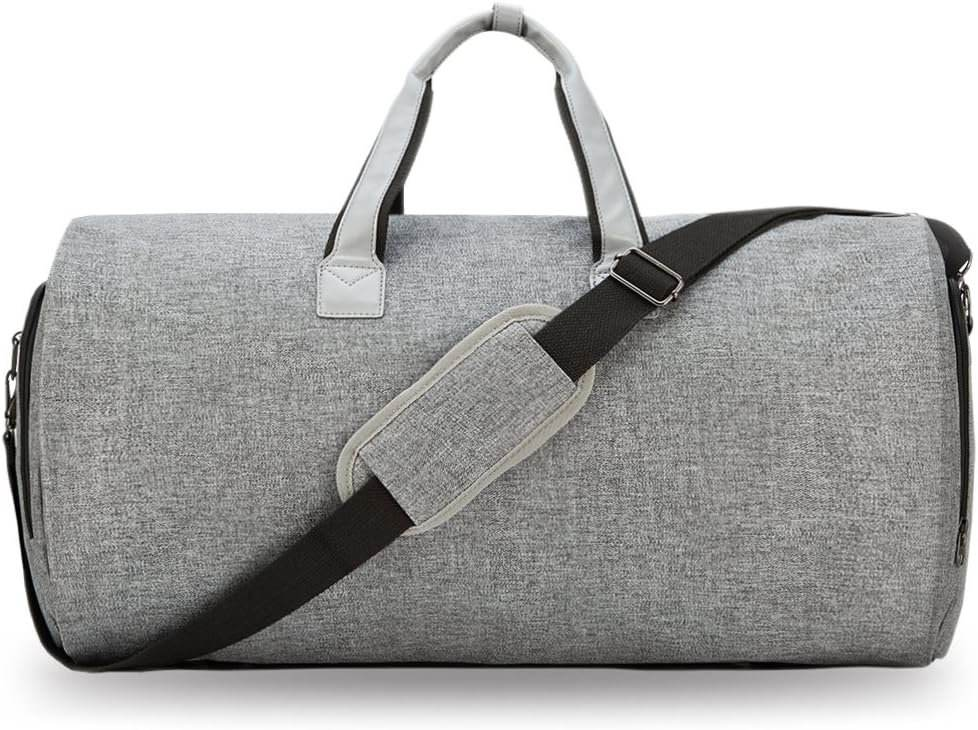
Validating claims via third-party auditors (SEDEX, QIMA, Bureau Veritas) before engagement
Platform filters are only a starting point. To confirm operational reality, engage an independent auditor—such as SEDEX, QIMA, or Bureau Veritas—to validate labor conditions, quality systems, ownership, and production capacity. Ask whether the factory already holds a recent SMETA (Sedex Members Ethical Trade Audit) or equivalent report. Always request the complete audit file—not just the summary—and review non-conformities and corrective action timelines. If no current audit exists, commission one before signing a purchase order. Do not accept reports older than 12 months. Verify the report number directly with the issuing body. This step eliminates misrepresentation risk and protects your brand from hidden labor or quality exposures.
Evaluating Operational Fit: MOQ, Lead Time, and Customization Capacity
When shortlisting a BSCI weekender bag factory, operational fit matters as much as compliance. MOQ (Minimum Order Quantity), lead time, and customization capacity determine whether a supplier can support your business model without excessive inventory risk or launch delays. A low MOQ of 50–200 units often carries a 15–25% higher per-unit cost but improves cash flow, while a high MOQ of 500–1,000+ units may reduce unit cost by 10–20%—at the expense of working capital (2026 B2B sourcing data). Certified factories with scalable capacity typically balance these trade-offs through flexible scheduling and transparent production planning.
| Configuration | MOQ Range | Lead Time | Per-Unit Cost | Cash Flow Impact | Best Suited For |
|---|---|---|---|---|---|
| Low MOQ / Standard Lead | 50–200 units | 20–30 days | Higher (+15–25%) | Positive (less inventory) | Startups, product testing, niche markets |
| Standard MOQ / Standard Lead | 200–500 units | 15–20 days | Market rate | Moderate | Established SMEs, stable demand |
| High MOQ / Expedited Lead | 500–1,000+ units | 7–12 days | Lower (-10–20%) | Negative (more inventory) | High-volume sellers, predictable demand |
| Standard MOQ / Extended Lead | 200–500 units | 30–45 days | Lower (-5–10%) | Positive (planning time) | Cost-sensitive buyers, off-season ordering |
Customization capacity must be evaluated separately. Even a factory offering a medium MOQ of 200–500 units may lack capability for full custom patterns, branded hardware, or interior compartment redesigns. Before engagement, request physical samples, tech packs, and material-specific lead times. Certified factories with in-house sample rooms and documented QC checkpoints consistently deliver partial or full customization with fewer delays and higher output consistency.
Navigating Regional Compliance: REACH, CPSIA, and Labeling for Global Weekender Bag Distribution
EU REACH and US CPSIA requirements for zippers, fabrics, and trims in certified weekender bag production
Export-ready weekender bag factories must meet regional chemical and labeling mandates—regardless of BSCI, ISO, or OEKO-TEX status. EU REACH regulates chemical safety across all consumer goods, requiring testing of zippers, linings, webbing, and trims for azo dyes, phthalates, PAHs, and lead. In the U.S., CPSIA imposes tracking label requirements and strict limits on lead content—particularly for children’s products—but adult weekender bags fall under broader general product safety and labeling rules, including fiber content disclosure and country-of-origin marking.
Suppliers should provide test reports covering fabric colorfastness, zipper pull durability, and coating integrity—not just compliance statements. While BSCI certification ensures ethical labor practices, chemical safety and labeling documentation remain separate, mandatory checkpoints for market access in Europe and North America.
FAQ Section
What is the importance of BSCI certification for weekender bag factories?
BSCI certification ensures factories comply with ethical labor standards, audit transparency, and supply chain accountability. It helps buyers verify labor conditions and reduces social compliance risks.
How does ISO 9001 certification benefit weekender bag brands?
ISO 9001 certifies quality management systems to ensure consistent production outcomes, minimizing stitching defects, zipper failures, and hardware breakage.
Why is OEKO-TEX Standard 100 critical for chemical safety?
OEKO-TEX Standard 100 verifies the chemical safety of textiles and trims through lab tests for restricted substances, ensuring materials remain safe during prolonged skin contact.
How can B2B platform filters help locate certified suppliers?
Using dual filters like Alibaba Gold Supplier and BSCI certification badges can help narrow search results, but buyers must validate claims by examining certification reports and export histories.
What factors should I evaluate alongside compliance?
Operational fit, including MOQ, lead time, and customization capacity, is vital to ensure the supplier aligns with your business model without excessive risks.
What chemical regulations must export-ready factories comply with?
Factories must comply with EU REACH and US CPSIA laws for chemical safety, tracking labels, and proper documentation to gain access to European and North American markets.
Table of Contents
- Why BSCI, ISO, and OEKO-TEX Certification Matters for Weekender Bag Factories
- How to Locate Verified BSCI Weekender Bag Factory Suppliers
- Evaluating Operational Fit: MOQ, Lead Time, and Customization Capacity
- Navigating Regional Compliance: REACH, CPSIA, and Labeling for Global Weekender Bag Distribution