
 EN



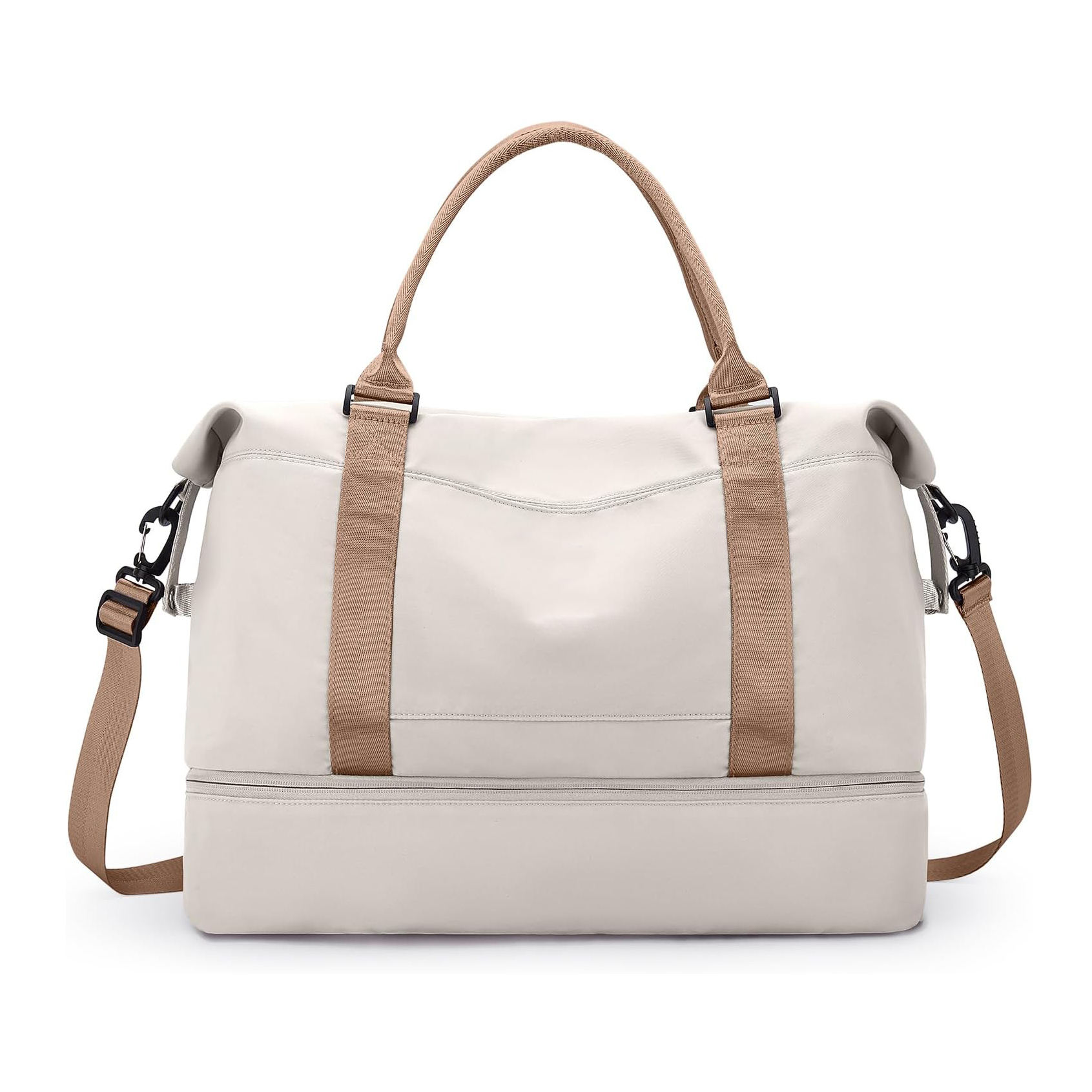
The Ideal Capacity: Why 35–45L Is the Goldilocks Zone for 3-Day Trips
Balancing Carry-On Compliance and Real-World Packing Needs
For a 3-day weekend trip, a 35–45L duffel bag strikes the optimal balance between portability and practicality. Most U.S. and European airlines accept carry-on luggage up to 22 × 14 × 9 inches (55 × 35 × 23 cm), and a well-proportioned 40L soft-sided duffel—typically measuring around 22 × 12 × 11 inches—compresses easily into overhead bins or fits under the seat. This avoids the common pitfall of oversized 60–80L weekend duffels that trigger gate-checking and extra fees. Industry guidelines classify 40–45L as ideal for 1–3-night trips, while 35L works reliably for light packers using layered clothing systems. Crucially, this capacity keeps loaded weight comfortably below 8–10 kg (18–22 lb), reducing physical strain during walks through terminals or transit hubs. Always verify carrier-specific limits before ordering—but for most short-haul air travel, 35–45L is the pragmatic default.
What Fits Inside: Data-Backed Volume Breakdown (Clothing, Toiletries, Tech, Extras)
A 40L duffel accommodates a realistic, tested packing load for three days:
| Category | Volume Allocation | Example Items |
|---|---|---|
| Clothing | 20–25L | 3 base layers, 1 mid-layer, 3 underwear, 3 socks, 1 pair pants or shorts |
| Toiletries | 3–5L | TSA-approved liquids pouch, toothbrush, deodorant, razor |
| Tech | 5–8L | 13-inch laptop, charger, power bank, earbuds |
| Extras | 4–7L | Packing cube, slim shoes or sandals, small first-aid kit |
This totals 32–45L—leaving just enough buffer for a light jacket or modest souvenirs. At 35L, efficient compression (e.g., using one or two packing cubes) is essential; at 45L, you gain flexibility—like room for a second pair of shoes. When working with a personalized duffle bag supplier, ask whether interior dividers, seams, or shape distortions reduce usable volume. Not all liters are equal: cylindrical profiles waste corner space, while a rectangular base improves packing density and garment protection. Prioritize accessible front pockets for tech and a dedicated shoe compartment if your routine demands it.
Beyond Liters: How Dimensions, Shape, and Structure Affect Usability
Optimal Proportions (e.g., 22" × 12" × 11") for Garment Protection and Bag Stability
Capacity alone doesn’t guarantee usability—proportions define how well a 35–45L duffel performs in real-world conditions. A 22" × 12" × 11" profile provides a long, flat base that minimizes creasing in folded shirts and keeps garments stable during transit. Its low, wide footprint prevents rolling on car seats or luggage racks and allows reliable compression into standard airline sizers—even those with tight 22" × 14" × 9" thresholds. Dimensional fidelity matters more than nominal volume: bowed side panels or tapered bases cause heavier items to shift, increasing wrinkling and straining zippers and seams. Reinforced bottom corners and a rigid-enough structure maintain even weight distribution and reduce stress on handles. For short trips, prioritize flat garment area over vertical depth—it protects clothing and preserves seam integrity.
Fixed vs. Expandable: Why Compression-Friendly, Non-Gusset Designs Excel for Short Trips
Expandable gussets introduce complexity without meaningful benefit for 3-day travel. Extra fabric, zipper tracks, and potential failure points compromise reliability—and the “accordion bulge” they create throws off balance, hinders overhead bin insertion, and often pushes packed depth beyond sizer limits. A fixed 35–45L cavity with thoughtful compression design encourages efficient packing and maintains consistent external dimensions. Padded bases and two-way zippers improve access without sacrificing structural control. When evaluating options, request a sample with a fixed-body cut and lightly padded side panels—not an expandable collar. Loaded dimensions tell the true story: many gusseted bags gain 2–3 inches in depth once packed, pushing them past airline thresholds. Fixed geometry supports garment compression, seam longevity, and stable handling—whether stowed under a seat or wedged into an overhead bin.
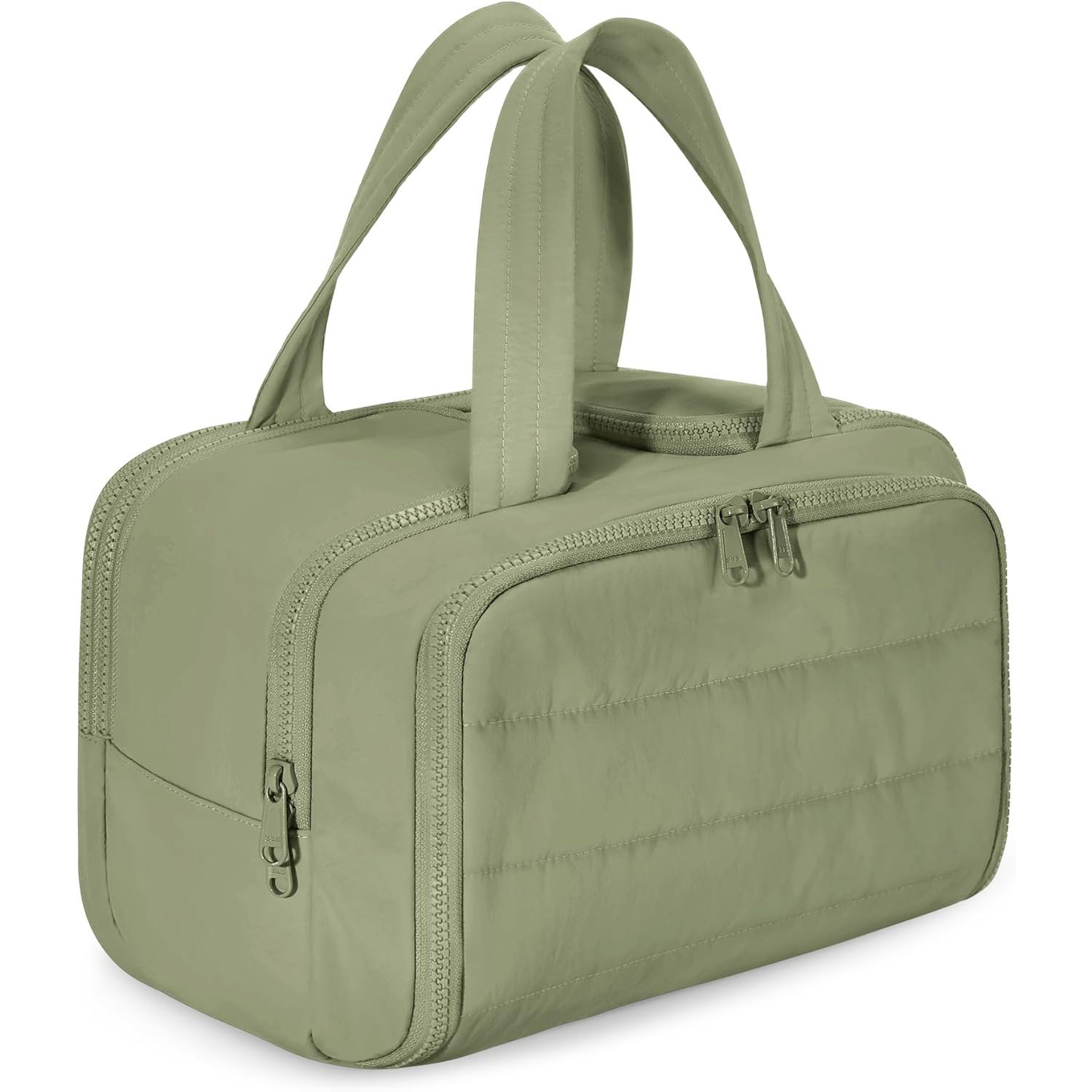
Matching Your Body and Travel Style to the Right Customized Duffel Bag
A customized duffel bag must fit you—not just your gear. A 35–45L bag sized for one person may feel unstable on another if strap drop, width, or handle placement don’t align with your proportions. For most travelers, a 21–23 inch length positions the bag close to the hip for balanced weight distribution. Taller users typically need longer shoulder strap drops; shorter users benefit from crossbody straps that keep the bag above the knee. Padded, ergonomically contoured straps and a reinforced top handle significantly reduce fatigue during extended terminal walks or station transfers.
Your travel style further refines the ideal form. Minimal packers thrive with soft-sided, single-cavity duffels that compress easily. Business or gym-focused travelers often require functional separation—for shoes, tech, or clean/dirty clothing. If you tend to overpack on weekends, opt for compression straps or a shallow, controlled expansion panel rather than deep gussets. A reputable personalized duffle bag supplier can adjust strap length, pocket depth, and handle drop to match your body and routine—making fit, not just capacity, the primary determinant of comfort and usability over an hour or more of carrying.
What Truly Gets Customized: Functional Upgrades That Impact 3-Day Capacity
Structural Personalization: Internal Partitioning, Base Reinforcement, and Access Point Optimization
True customization goes far beyond monogramming or color choices. Structural refinements directly influence how much fits—and how well it stays protected—in a 35–45L duffel. Internal partitioning (e.g., zippered mesh dividers or a removable shoe sleeve) eliminates the need for bulky packing cubes while keeping categories separated. A reinforced, rigid base prevents sagging under load, preserving the bag’s rectangular footprint and maintaining garment compression—critical for fitting under seats or into tight overhead bins. Access point optimization—such as a full-length side zipper into the main compartment or a structured clamshell opening—lets you retrieve items quickly without unpacking everything. These features enhance packing density and content protection without inflating total volume. For weekend travel, specification-driven upgrades consistently deliver more value than cosmetic flourishes.
How to Choose a Reliable Personalized Duffle Bag Supplier for Weekend Travel
Selecting a personalized duffle bag supplier hinges on dimensional rigor and material accountability—not just branding capability. The five criteria below distinguish proven manufacturers from inconsistent vendors.
5 Must-Verify Criteria: Dimensional Precision, Fabric Tolerance, Sample Validation, Lead Time, and Carry-On Certification
| Criterion | What to Verify |
|---|---|
| Dimensional precision | Finished bag length, width, and height within ±0.5 inch of spec—especially critical for the 22 × 12 × 11 inch target |
| Fabric tolerance | Consistent denier, coating integrity, and seam allowance; no color shift or stretch beyond 3% after loading |
| Sample validation | Pre-production sample tested with an 80% packed 35L load—including zipper function, handle stress, and base stability |
| Lead time | Total production + shipping window under 30 days before peak spring and summer travel periods |
| Carry-on certification | Written confirmation—referencing 2026 U.S. carrier standards—that a loaded bag meets 22 × 14 × 9 inch limits |
Ask for a dimensional checklist and fabric tolerance sheet—not just a digital mockup. A trustworthy supplier will guarantee that external seams remain within carry-on limits when the bag is 80% loaded. If sample validation or third-party fabric test reports aren’t available, consider it a red flag. This due diligence safeguards both your short-term packing needs and the bag’s long-term durability across repeated weekend trips.
FAQs
What is the ideal capacity for a 3-day duffel bag?
A 35–45L capacity is optimal for 3-day trips, balancing portability, packing efficiency, and airline carry-on compliance.
Why are fixed-body duffel bags better for weekend travel?
Fixed-body designs provide consistent external dimensions, better garment compression, and reduce stress on seams, handles, and zippers.
What factors should I consider when choosing a personalized duffel bag supplier?
Look for dimensional precision, fabric durability, sample validation, reasonable lead times, and carry-on compliance.
How can internal bag structure improve packing efficiency?
Structural features like reinforced bases, zippered dividers, and clamshell openings optimize packing density and content protection.
Are expandable gussets useful for 3-day travel?
Expandable gussets often complicate packing and exceed airline size limits, making them less ideal for short trips.
Table of Contents
- The Ideal Capacity: Why 35–45L Is the Goldilocks Zone for 3-Day Trips
- Beyond Liters: How Dimensions, Shape, and Structure Affect Usability
- Matching Your Body and Travel Style to the Right Customized Duffel Bag
- What Truly Gets Customized: Functional Upgrades That Impact 3-Day Capacity
- How to Choose a Reliable Personalized Duffle Bag Supplier for Weekend Travel
- FAQs